

From Article Avoiding the Blister BluesPhotos by David H. Pascoe, Marine Surveyor
Go to Article
First posted on David Pascoe's site www.yachtsurvey.com on May 19, 1997. |
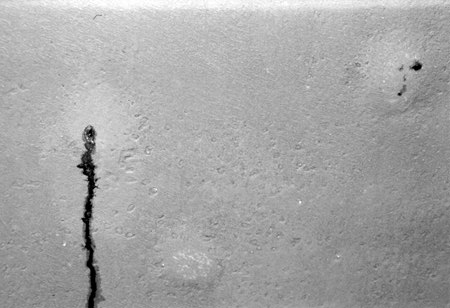
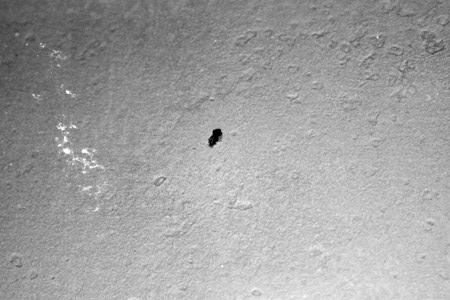
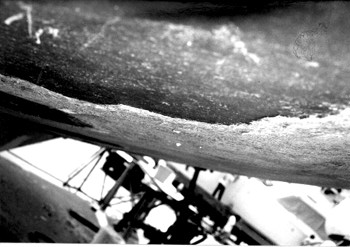
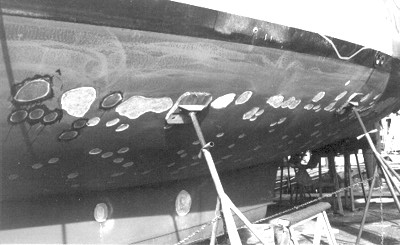
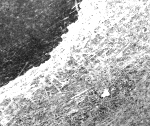

- Keeping the Pleasure in Pleasure Boating
- How to Decide if Buying an Older Boat is Right for you.
- To Buy or Not to Buy . . . .A Blistered Boat, That Is.
- Bubble Boats : The Space Shuttle Goes to Sea
- Top Twenty-Five Design Errors
- How to Avoid Purchasing a Stolen Boat
- Windows, Windows, Those, Leaky, Leaking Windows
- Reasons Why Screws Shouldn't be Used to Fasten Boat Parts
Buying A Boat or Yacht
- All about Bilge Pumps
- Corrosion with 9 photos
- Corrosion in Marinas
- Deck Leaks
- Diesel Maintenance Or Lack of it
- Exhaust Risers
- Electrical System Use and Maintenance
- Illustration of Water Absorption From a Hull Interior
- How to Install an Aluminum Fuel Tank
- Maintaining Stern Drives
- How to Repair Window Leaks
- Tips for Painting Fiberglass Boats
- How to Keep Your Boat from Sinking
Maintenance, Repairs and Troubleshooting
- The Wonderful World of Hull Blistering
- Failed Blister Repairs: A Case History and Solution
Hull Blisters
- Troubleshooting Problems Involving Engine/Shaft Alignment
- More articles at Marine Engines at yachtsurvey.com
Marine Engines
- Docking in Style
Boat Handling
- Safe Harbor :Hurricane Preparation
Hurricane Preparations
- High Tech Materials in Boat Building
- More Articles at Cores & Structural Issues
at yachtsurvey.com
Cored Hull

Over 160
Online Articles by David Pascoe

David Pascoe's
Power Boat Books
 Mid Size Power Boats
A Guide for Discriminating Buyers
Focuses exclusively cruiser class generally 30-55 feet
With discussions on the pros and cons of each type: Expresses, trawlers, motor yachts, multi purpose types, sportfishermen and sedan cruisers.
 Buyers' Guide to Outboard Boats
Selecting and Evaluating New and Used Boats
Dedicated for offshore outboard boats
A hard and realistic look at the marine market place and delves into issues of boat quality and durability that most other marine writers are unwilling to touch.
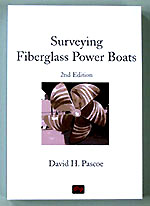 Surveying Fiberglass Power Boats
 2nd Edition
The Art of Pre-Purchase Survey The very first of its kind, this book provides the essentials that every novice needs to know, as well as a wealth of esoteric details.
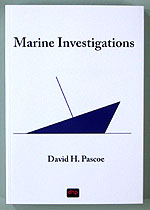 Marine Investigations
Pleasure crafts investigations to court testimony The first and only book of its kind on the subject of investigating pleasure craft casualties and other issues.
Links to pages of each chapter contents at davidpascoe.com
|
|
| Chapter
1 480 pages
|
| Chapter
1 544 pages |